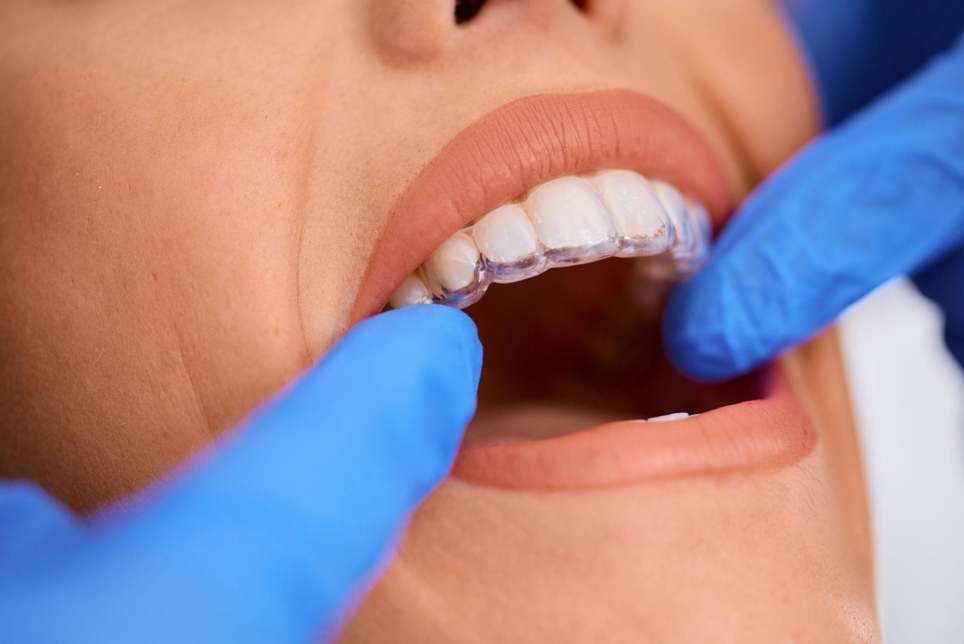
A deep overbite occurs when the upper front teeth overlap the lower front teeth more than usual. Although some overlap is normal, a pronounced deep bite may contribute to tooth wear, pressure on the front teeth, and discomfort in the jaw. For people experiencing these problems, clear aligners may be one option worth discussing with a dental professional. However, their suitability depends on the bite pattern, the severity of the condition, and the source of the discomfort.
How Can a Deep Overbite Cause Jaw Strain?
When the upper teeth cover too much of the lower teeth, the way the teeth meet during chewing and closing the mouth may place additional pressure on certain areas. Some people may develop uneven tooth contact, clenching habits, or discomfort around the jaw muscles.
Symptoms can include jaw fatigue, tenderness near the ears, difficulty opening the mouth comfortably, or headaches associated with muscle tension. However, a deep overbite does not automatically cause jaw pain. Temporomandibular disorders, stress-related clenching, and other dental or muscular conditions may produce similar symptoms.
A dental assessment helps determine whether the bite contributes to the discomfort or whether another issue requires attention.
Can Clear Aligners Help Correct a Deep Overbite?
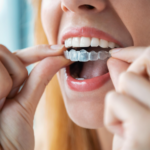
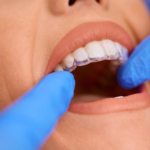
Clear aligners are removable trays designed to move teeth gradually into planned positions. Depending on the case, a dentist may recommend them to improve the alignment of the front teeth and adjust how the upper and lower teeth meet.
When a deep overbite contributes to uneven tooth contact, correcting the bite may help distribute pressure more evenly. This may reduce certain sources of dental discomfort and improve chewing function. However, clear aligners do not directly treat every cause of jaw strain, and relief is not guaranteed.
Treatment planning may involve attachments bonded to selected teeth, specific tooth movements, or additional orthodontic appliances. More complex deep bites may require a different approach. A dental professional must assess the teeth, gums, jaw movement, and overall bite before recommending treatment.
What Else Should You Consider During Treatment?
Clear aligners require consistent wear according to the treatment plan, along with regular dental reviews. Removing them too often or failing to switch trays as directed may affect progress. Patients should also report any new or worsening jaw pain rather than assuming it is a normal part of treatment.
In some cases, a night guard may be appropriate if teeth grinding or clenching contributes to discomfort. However, a night guard and clear aligners serve different purposes, so a dentist should determine whether either option is suitable.
If you are considering treatment, a dentist in Shelburne can assess your bite and discuss the potential benefits and limitations of clear aligners. If jaw discomfort develops suddenly or becomes severe, seeking prompt dental advice is important. An emergency dentist in Shelburne can help assess urgent symptoms and determine whether immediate care is needed.
Explore Your Options at Shelburne Downtown Dental!
Concerned about your bite or ongoing jaw discomfort? Shelburne Downtown Dental offers dental exams and Invisalign treatment to help patients understand their oral health needs and available options. Contact the team to discuss your concerns, ask questions about clear aligners, and determine whether an assessment may be appropriate for you. Visit Shelburne Downtown Dental to learn more.