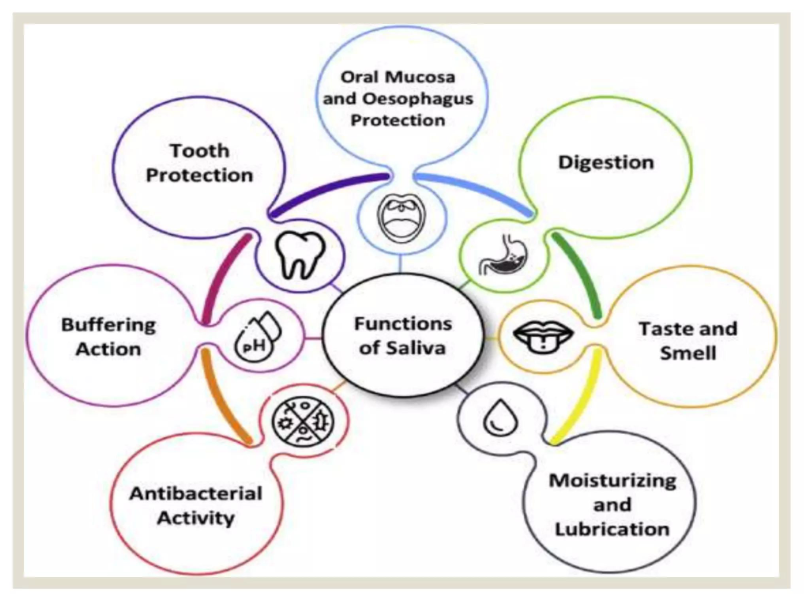
Dry mouth is easy to overlook. You may simply notice that your mouth feels sticky, you need water more often, or speaking for long periods becomes uncomfortable. However, reduced saliva flow is more than an inconvenience. Saliva helps wash away food particles, neutralize acids, and support the natural mineral balance of teeth. When saliva production decreases, the risk of certain oral health problems may increase.
One possible cause is medication. Many commonly used medicines list dry mouth, also called xerostomia, as a potential side effect.
Why Saliva Matters
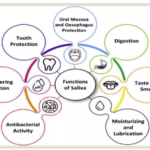
Saliva performs several important functions in the mouth. It helps lubricate oral tissues, supports swallowing, clears some food debris, and helps neutralize acids produced by bacteria and acidic foods.
It also contains minerals that contribute to the ongoing maintenance of tooth enamel. When saliva flow is consistently reduced, these protective effects may become less effective. A dry mouth may therefore contribute to problems such as tooth decay, oral discomfort, difficulty swallowing, bad breath, and irritation of the mouth.
Which Medications May Cause Dry Mouth?
Dry mouth can occur with many different types of medication. These include some antihistamines, antidepressants, decongestants, blood pressure medications, diuretics, and medications used for certain neurological conditions. The effect varies from person to person. Taking multiple medications may also increase the likelihood of experiencing dry mouth.
If you have noticed persistent dryness after starting or changing medication, mention it to both your healthcare provider and dental professional. Never stop taking a prescribed medication without discussing it with the professional who prescribed it.
Watch for Signs of Reduced Saliva
Dry mouth does not always feel obvious. Some people notice frequent thirst, while others experience difficulty eating dry foods, changes in taste, cracked lips, a dry or burning sensation, or increased tooth sensitivity. Another sign may be waking during the night because your mouth feels unusually dry.
If these symptoms continue, speaking with a family dentist in Shelburne may help identify whether oral changes are associated with reduced saliva flow or another cause.
Simple Ways to Support Your Mouth
Drinking water regularly is a straightforward way to manage the sensation of dryness. Keeping water available throughout the day may encourage more frequent hydration.
Sugar-free gum or sugar-free lozenges may also stimulate saliva production for some people. Products containing xylitol may be discussed with a dental professional as part of an oral care routine. Limit frequent sipping of sugary or acidic beverages, since reduced saliva may already leave teeth with less natural protection against acid exposure.
Maintaining regular brushing with fluoride toothpaste and cleaning between the teeth are also important. A family dentist in Shelburne may recommend additional fluoride products if you have an elevated risk of tooth decay.
Regular Dental Care Matters
People experiencing medication-related dry mouth may benefit from more attentive preventive dental care. Regular examinations allow a dental professional to monitor enamel, gums, and signs of tooth decay. Tell your dental team about any medications you take. This information may help them understand your oral health risks and provide appropriate preventive advice.
Keep Your Mouth Comfortable and Your Dental Care Consistent!
At Shelburne Downtown Dental, patients can discuss changes such as persistent dryness, sensitivity, or other oral concerns as part of their regular dental care. If your mouth has been feeling unusually dry, bring it up at your next dental visit so your oral care routine can be reviewed with your individual needs in mind.