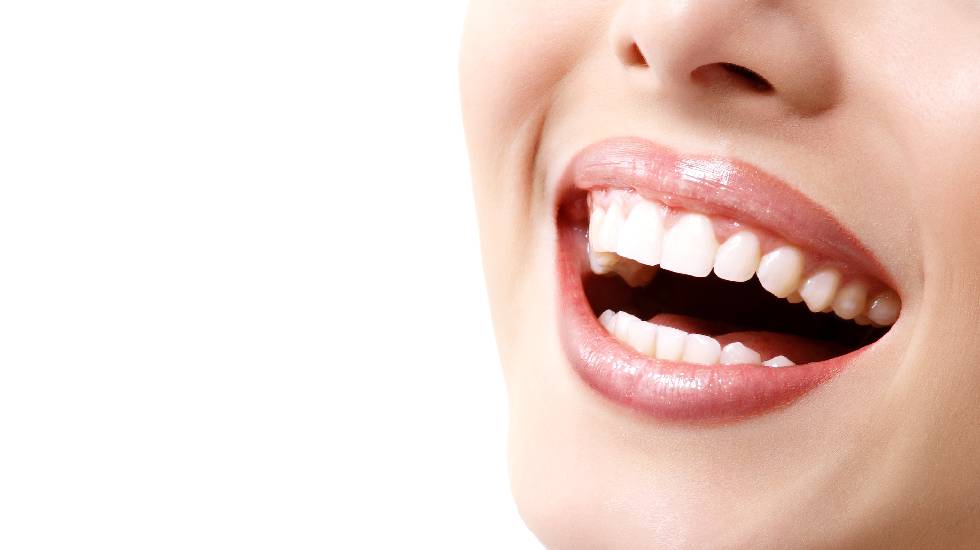
A brighter smile is a common goal, and it is easy to see why do-it-yourself teeth whitening products have become so popular. Social media, online ads, and home remedies often promise fast results at a low cost. However, many of these whitening gimmicks may place teeth and gums at risk. Understanding what to avoid and why professional whitening is considered a safer option can help protect long-term oral health.
Popular DIY Whitening Trends That May Cause Harm
Some DIY whitening methods rely on abrasive or acidic ingredients. Activated charcoal, baking soda mixtures, lemon juice, and apple cider vinegar are often promoted as natural solutions. While these substances may temporarily remove surface stains, they can also wear down tooth enamel. Once enamel is damaged, teeth may become more sensitive and prone to discoloration.
Whitening strips or gels purchased without professional guidance may also be problematic. Overuse or improper application may irritate the gums or lead to uneven whitening. A family dentist often sees patients who experience discomfort after attempting repeated at-home treatments without supervision.
Why Social Media Whitening Hacks Are Risky?
Online whitening hacks often lack scientific support. Some trends encourage scraping teeth with tools or using household chemicals not designed for oral use. These approaches may damage enamel, inflame gum tissue, or even cause small cracks in the teeth. A dentist in Shelburne, Ontario, may recommend avoiding any whitening technique that bypasses dental evaluation or relies on extreme methods.
Even products labelled as natural or organic are not automatically safe for teeth. Ingredients still interact with enamel and gums, sometimes in unpredictable ways.
The Role of Enamel in Tooth Colour
Enamel is the outer protective layer of the tooth. Many DIY products work by stripping away surface layers rather than gently lifting stains. When enamel thins, the underlying dentin becomes more visible, which may actually make teeth appear darker over time. Veneers are sometimes considered later by patients with severe enamel damage, but preserving natural tooth structure remains important whenever possible.
A family dentist in Shelburne, whom residents trust, can explain how whitening interacts with enamel and whether discoloration is surface-based or internal.
Why Professional Whitening Is Considered Safer?
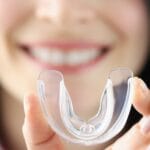
Professional whitening is guided by a dental assessment. This process allows the dentist to check for cavities, gum concerns, or existing restorations before treatment begins. Customized whitening trays or in-office options are designed to reduce irritation and control exposure to whitening agents.
A dentist, Shelburne patients visit regularly, may adjust treatment strength based on sensitivity levels and desired results. This approach helps manage risks while still addressing discoloration concerns.
Whitening Is Not Always the Right Option
Not all discoloration responds to whitening. Stains caused by medications, trauma, or developmental changes may require different solutions. In some cases, veneers or other cosmetic options are discussed as alternatives. Consulting a family dentist ensures that the chosen approach aligns with the condition of the teeth.
Considering Safer Whitening Options?
Professional whitening, guided by a dentist in Shelburne, Ontario, may help reduce these concerns by prioritizing safety and individualized care. If you are thinking about whitening your teeth and want guidance tailored to your needs, Shelburne Downtown Dental invites you to book a consultation. Their team can help you understand safe options and determine what approach may suit your smile goals.